

The Pill Problem: How the West handed the keys to its medicine cabinet
The West’s medicine cabinet is a strategic chokepoint. Europe gets roughly three-quarters of its active drug ingredients from Asia, and America’s supply is exposed once India’s heavy reliance on Chinese starting materials is counted. This article shows how decades of price-only purchasing pushed API manufacturing east, hollowing out Western capacity while regulators still lack clear visibility on who makes what—and where. It argues China could squeeze the supply not just directly, but upstream, with disruptions measured in lives, not dollars.
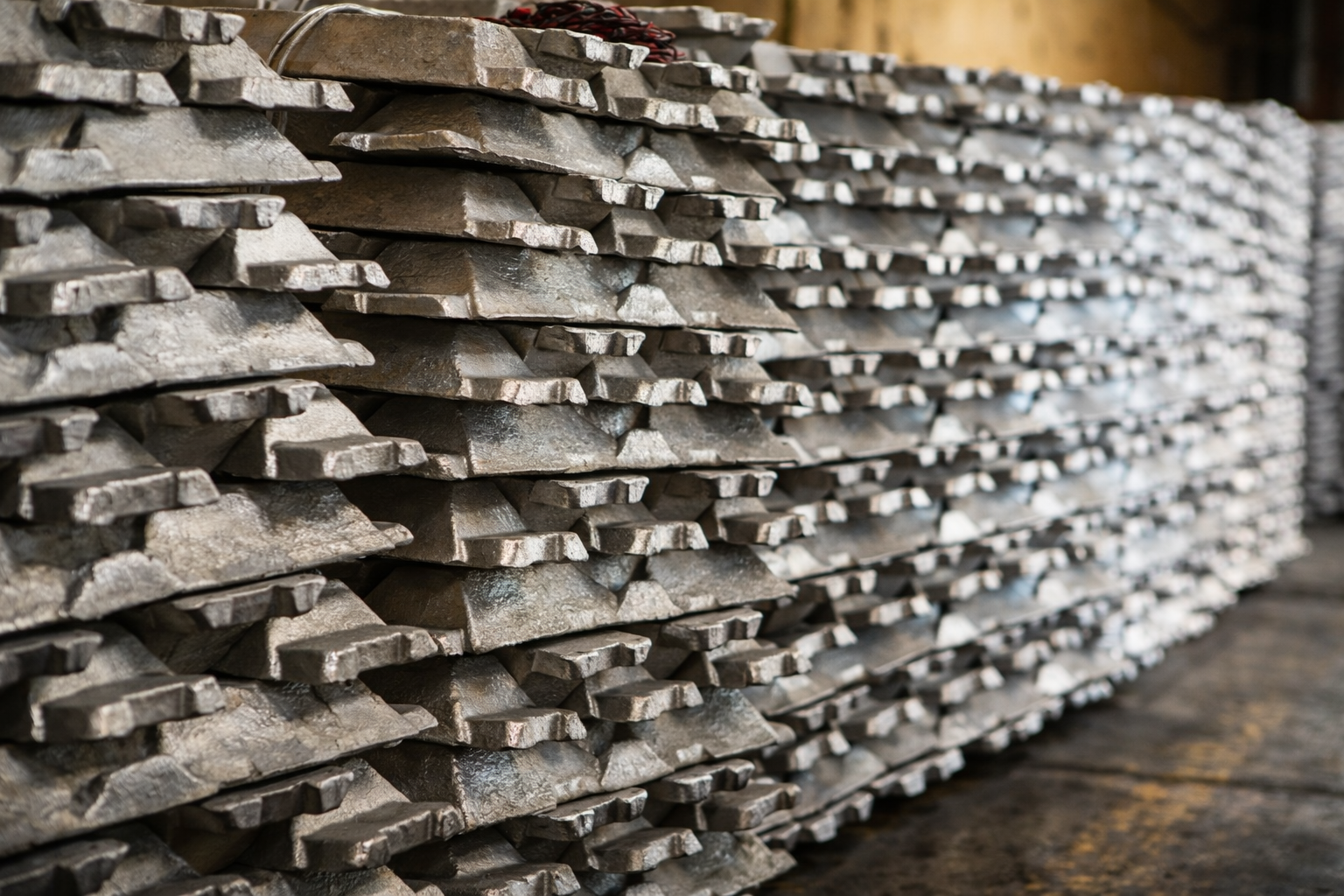
Solid energy: Losing the aluminium loop
China’s aluminium dominance is ultimately an electricity story: by harnessing cheap coal-fired power it has grown from 8% to about 60% of global output, while Western smelters have been squeezed out by energy prices they cannot sustain. The result is a carbon paradox in which well-meant climate policy can shift production from cleaner plants to more emissions-intensive supply chains.

Wings of Change: How Airbus is winning the battle for the skies
What once looked like a stable equilibrium—two giants, evenly matched, with airlines playing one off against the other for discounts and delivery slots—now feels like a system under strain. Airbus has accrued a structural advantage; Boeing is still trying to prove it can build aeroplanes at scale, on time and to standard. The rivalry has also turned geopolitical: aircraft orders increasingly double as diplomatic currency, tariffs reshape incentives, and China’s Comac looks less like a third equal than a strategic spoiler. The result is a messier, more politicised aviation market.
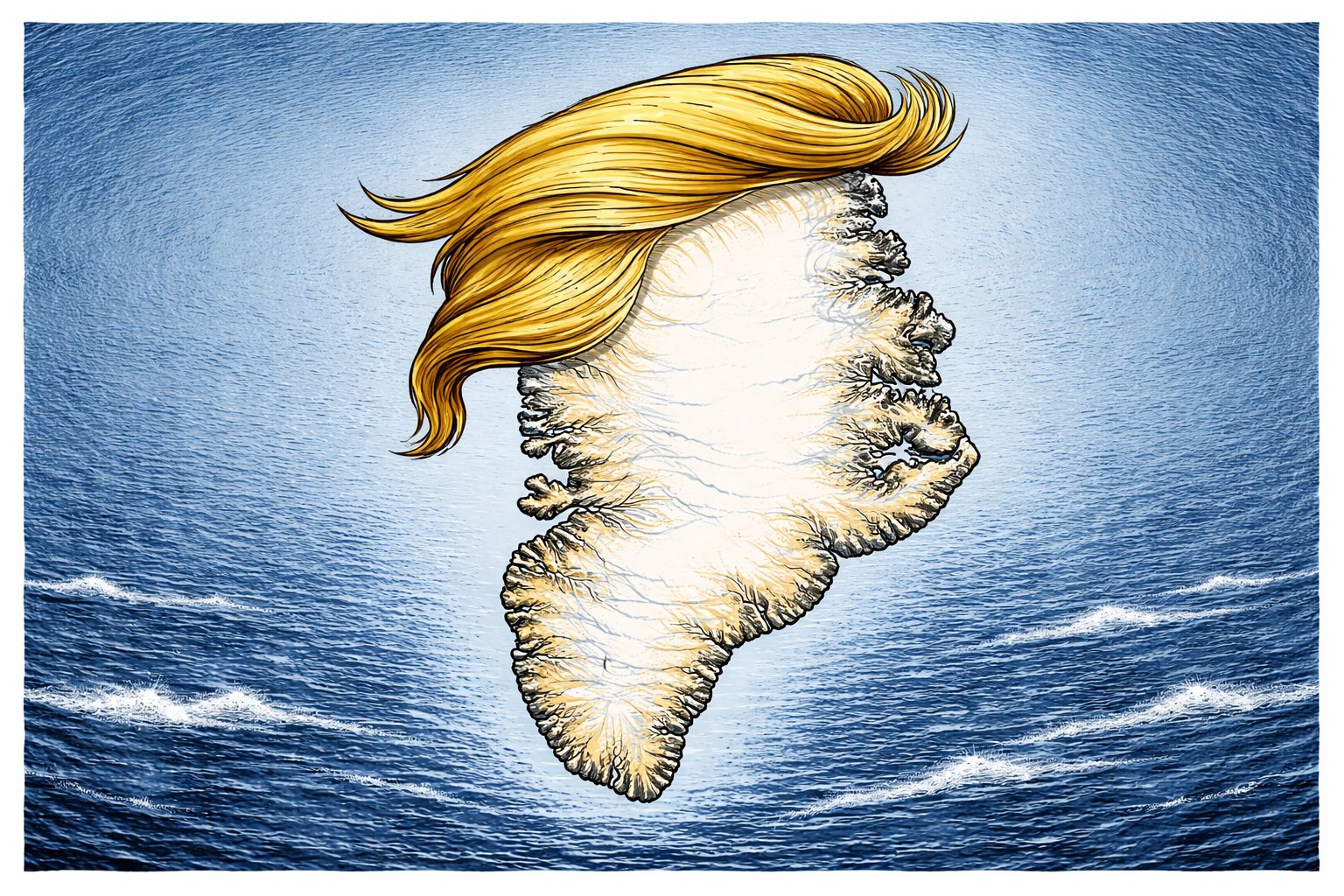
The Polar Ring: Why Trump Wants Greenland (and More)
Donald Trump’s abrupt retreat from threats to take Greenland by force—replaced by a vague “framework” with NATO—looks less like a single-issue spat and more like a test of something bigger. This piece argues that Greenland is a strategic lever in a wider hemispheric play: contesting Russia’s Arctic advantage, tightening the geographic vise on Canada, and reasserting control over chokepoints like the Panama Canal as new routes weaken America’s maritime dominance. The catch is that the tactic—coercing allies for assets and concessions—could cost Washington the very alliance system that makes its power sustainable.
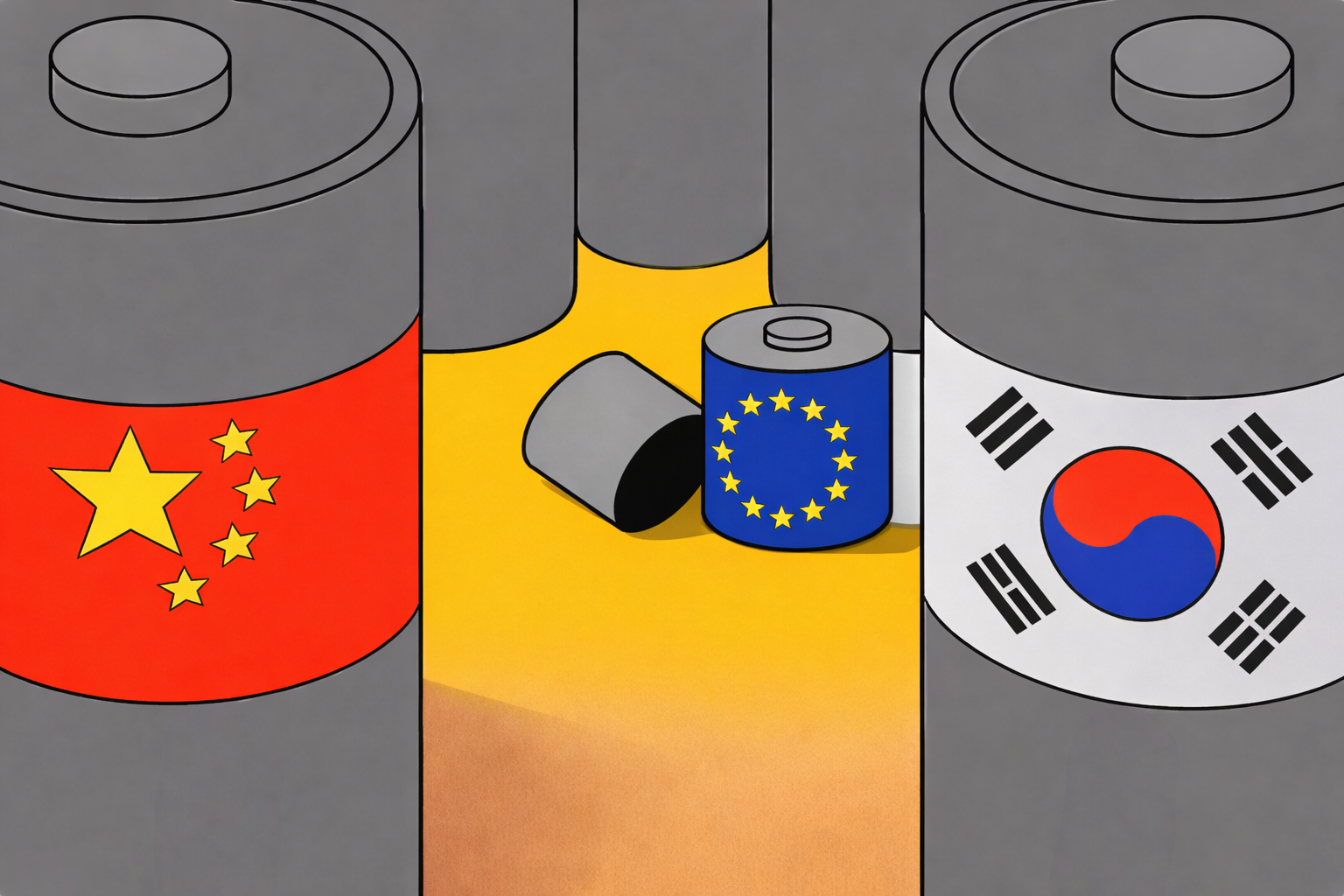
The battery backlash: China's EV dilemma
China's electric vehicle makers build better batteries and cheaper cars than their Western rivals. Now they face an ironic problem: Europe wants the same deal China once imposed on Western auto players—local production, joint ventures, technology transfers. Beijing isn't interested.
This creates an impossible bind. China needs export markets to absorb overcapacity, but Europe and America are turning protectionist. Should Chinese manufacturers accept Japan's 1980s playbook of voluntary restraints? Seek alternative markets in poorer regions? Or call Europe's bluff and risk being shut out entirely?